Single-Tooth Dental Implant: Restoring Chewing Function After a Long-Standing Missing Lower Molar
Dr. Glenn Mascarenhas • Impladent® Dental Clinic, Malad West, Mumbai • CBCT-Guided Implant Placement • Restored Bilateral Chewing Function
PATIENT DETAILS
Age: 52 Gender: Male
Medical History: Diagnosed with a long-standing edentulous space at the lower right first molar (tooth 46) following extraction six years prior. Patient reported reduced chewing efficiency on the right side and occasional food impaction. Mild controlled hypertension on regular medication. Non-smoker, no diabetes, no known drug allergies, no history of prior implant therapy. The patient is a 52-year-old working professional who preferred a fixed, long-term replacement option over a removable prosthesis.
CASE PRESENTATION
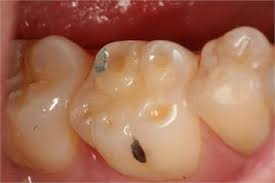
A 52-year-old male patient presented at Impladent® Dental Clinic in Malad West, Mumbai, with the chief complaint of difficulty chewing on the right side. Tooth 46 (lower right first molar) had been extracted approximately six years earlier due to a deep carious lesion that progressed beyond restorability. Replacement was not pursued at the time of extraction. Over time, the patient noticed a gradual shift in chewing pattern, increased reliance on the left side, and occasional food impaction at the edentulous site.
On clinical examination, the patient demonstrated a healthy oral cavity with no active periodontal disease and acceptable oral hygiene. The 46 edentulous site showed visible alveolar ridge resorption, mesial tipping of tooth 47, and mild supra-eruption of the opposing tooth 16. Cone Beam Computed Tomography (CBCT) imaging confirmed available bone height of 11.2 mm and width of 7.8 mm at the implant site, with the inferior alveolar nerve safely positioned 14 mm below the proposed implant apex.
The patient was evaluated by Dr. Glenn Mascarenhas, senior prosthodontist and implantologist at Impladent®. Based on the diagnostic findings, the patient was confirmed as a suitable candidate for a single-tooth dental implant with a delayed loading protocol. The treatment plan included CBCT-guided implant placement using a 3D-printed surgical guide, followed by a custom zirconia crown fabricated through a digital workflow.
|
Dental Implant Journey — From Long-Standing Tooth Loss to Restored Function
| STEP 1 | STEP 2 | STEP 3 | STEP 4 | STEP 5 | STEP 6 | STEP 7 |
| Initial Consultation | CBCT & Diagnostics | Digital Planning | Implant Surgery | Osseointegration | Crown Fitting | Restored Function |
| Patient presented with 6-year-old missing molar 46 and chewing difficulty | 3D imaging confirmed adequate bone volume and safe nerve distance | Surgical guide designed from CBCT data for precise implant positioning | Single titanium implant placed under local anaesthesia in 45 minutes | 12-week healing phase for complete bone integration with implant | Custom zirconia crown fabricated via digital workflow and screw-retained | Bilateral chewing restored, stable peri-implant bone at six-month review |
| ||||||
The single-tooth dental implant patient journey — diagnostic workup, CBCT-guided implant placement, and restored chewing function
DIAGNOSIS
Long-standing edentulous space at tooth 46 (lower right first molar) with associated alveolar ridge resorption, mesial tipping of tooth 47, and mild supra-eruption of tooth 16. No active dental caries, no periodontal disease, no temporomandibular joint dysfunction. ASA II classification due to controlled hypertension. Confirmed candidate for single-tooth implant rehabilitation with delayed loading.
Single missing posterior teeth are a common adult dental finding, particularly in patients who delay replacement after extraction. Although the gap is not cosmetically visible, the long-term consequences are clinically significant. Adjacent teeth gradually tilt into the edentulous space, opposing teeth over-erupt due to loss of occlusal contact, and the alveolar bone resorbs in the absence of functional loading. These changes affect occlusion, masticatory efficiency, and the long-term restorability of the site. A dental implant replaces both the missing root and crown, restoring function and maintaining alveolar bone stimulation.
TREATMENT
- Pre-operative Assessment — Clinical examination, CBCT imaging, digital impressions, medical fitness clearance
- Surgical Guide Fabrication — 3D-printed precision guide created from CBCT data for accurate implant positioning
- CBCT-Guided Implant Placement — Single 4.3 mm × 10 mm titanium implant placed at site 46 under local anaesthesia
- Osseointegration & Monitoring — 12-week healing phase with periodic clinical and radiographic review
- Final Crown Restoration — Custom monolithic zirconia crown fabricated digitally and screw-retained on the implant
DETAILED DESCRIPTION OF TREATMENT
Following the confirmed diagnosis, Dr. Glenn Mascarenhas recommended a CBCT-guided single-tooth implant protocol with delayed loading. The complete treatment was structured across approximately four months, from surgical guide fabrication to final crown delivery. Delayed loading was chosen to allow complete osseointegration before functional loading and is the standard protocol for posterior single-tooth implants where occlusal forces are higher.
The implant placement surgery was performed on 8 March 2026 under local anaesthesia. A 3D-printed surgical guide derived from the pre-operative CBCT and digital impression data was used to position the implant in alignment with the available bone and the planned crown. A 4.3 mm diameter, 10 mm length titanium implant was placed at site 46. Primary stability was confirmed at an insertion torque of 35 Ncm, consistent with the requirements for immediate placement of a healing abutment. A flapless approach was used to minimise soft tissue trauma. The healing abutment was placed at the same appointment, eliminating the need for a second-stage surgical uncovering. Total chair time was approximately 45 minutes.
“CBCT-based planning and surgical guides allow the implant to be positioned in alignment with the available bone, the surrounding anatomy, and the planned crown. This improves predictability and reduces the margin for error during placement.” — Dr. Glenn Mascarenhas, Senior Prosthodontist, Impladent® Dental Clinic
Post-operative instructions included a soft diet for seven days, prescribed analgesics, and chlorhexidine mouth rinse twice daily. The patient was reviewed at one week for suture check, at one month for soft tissue evaluation, and at three months for radiographic assessment. Mild swelling resolved within 72 hours. No infection, nerve disturbance, or implant mobility was noted at any review. Twelve weeks post-surgery, CBCT imaging confirmed complete osseointegration. On 14 June 2026, the prosthetic phase began. A digital intra-oral scan was used to fabricate a monolithic zirconia crown matched to the shade and occlusal anatomy of the adjacent dentition. The crown was screw-retained for ease of future retrievability. Occlusion was adjusted to maintain light contact in centric occlusion with no working or non-working interferences.
POST-OPERATIVE ASSESSMENT
The patient was reviewed ten days after crown placement. Functional bilateral chewing had been restored and no occlusal interferences were reported. The previously over-erupted opposing tooth 16 was reshaped to establish even bilateral contact in centric occlusion. The patient was instructed in implant-specific oral hygiene measures, including the use of a soft interdental brush and water flosser, and placed on a six-month professional cleaning recall.
|
At the six-month review, peri-apical radiographic evaluation showed stable crestal bone levels around the implant, with no evidence of bone loss or peri-implantitis. The patient is enrolled in a long-term maintenance protocol that includes annual radiographic monitoring and bi-annual professional cleaning. Soft tissue health around the implant remained satisfactory with no signs of inflammation or marginal recession.
This case illustrates a key principle in implant dentistry: single-tooth replacement is most predictable when planned early, with adequate residual bone, controlled systemic health, and accurate CBCT-guided positioning. Long-standing edentulous sites carry secondary changes such as bone resorption, drifting of adjacent teeth, and supra-eruption of the opposing dentition, all of which complicate later restoration. Where the residual bone volume is adequate and systemic conditions are controlled, a CBCT-guided single-tooth implant remains a standard, predictable solution for posterior tooth replacement.
CONTACT — IMPLADENT® DENTAL CLINIC, MALAD WEST, MUMBAI
| Surgeon: | Dr. Glenn Mascarenhas, Senior Prosthodontist & Implantologist |
| Co-Specialist: | Dr. Sonia Butta, Prosthodontist |
| Clinic: | Premier Tower, 201/301, Marve Road, Orlem, Malad West, Mumbai, Maharashtra 400064 |
| Phone: | +91 022 31912633 | +91 022 31424745 |
| Website: | impladent.in | Dental Implants in Malad, Mumbai |