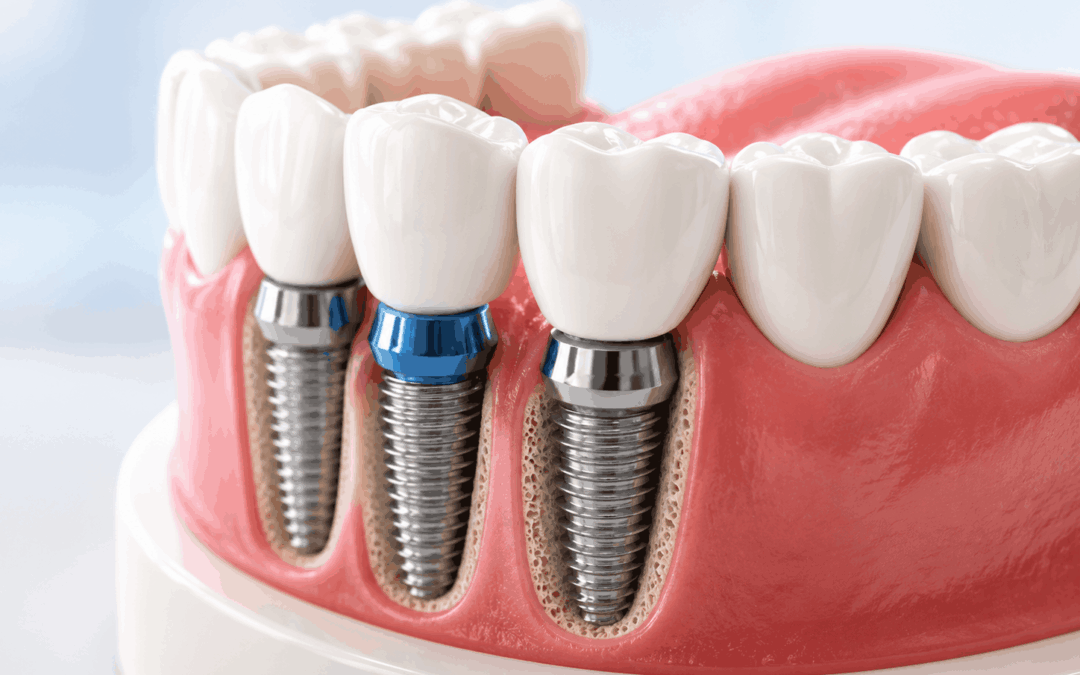
Full mouth rehabilitation is a comprehensive, customised dental procedure designed to rebuild or replace teeth across both jaws. It addresses oral function, structural integrity, and aesthetics together, using a combination of crowns, veneers, implants, and bite alignment therapies depending on what the patient’s mouth actually needs. It is not a single treatment. It is a planned sequence of procedures that work together, and the starting point is recognising whether the signs are there.
According to Dr. Glenn Mascarenhas, Implantologist and Prosthodontist at a leading Dental Clinic in Malad, Mumbai, “Most patients who need full mouth rehabilitation have been managing their symptoms for years without realising that a single coordinated plan could have addressed everything at once. By the time they come in, the damage is more extensive than it had to be.”
8 Signs You May Need Full Mouth Rehabilitation
Not every dental problem calls for full rehabilitation, but certain patterns together almost always do. See the full range of treatment options at full mouth rehabilitation in Malad, Mumbai.
| Sign | What It Indicates |
| Multiple missing teeth | Bone loss, shifting, bite collapse risk |
| Severely worn teeth | Bruxism, acid erosion, lost vertical dimension |
| Chronic jaw or TMJ pain | Bite misalignment affecting joints and muscles |
| Cracked or fractured teeth | Structural failure needing full-mouth planning |
| Old failing restorations | Multiple crowns or bridges at end of life |
| Collapsed bite | Loss of back teeth causing front teeth overload |
| Gum disease with bone loss | Foundation issues before any restoration |
| Difficulty chewing or speaking | Function loss affecting daily quality of life |
What Each Sign Actually Means for Your Treatment?
Multiple missing teeth accelerate damage to what remains. When teeth go unreplaced, the ones beside and opposite them shift, tilt, and take on forces they were not built for. One missing tooth becomes a bite problem. Several missing teeth becomes a structural collapse that cannot be fixed one tooth at a time.
Severely worn teeth signal a system-wide problem. Wear that affects most teeth in the mouth rarely has a single cause. Bruxism, acid erosion, and a collapsing bite all contribute, often simultaneously. Restoring individual teeth without addressing the underlying bite mechanics means the new restorations wear down just as fast.
Jaw pain and TMJ symptoms point to bite imbalance. Chronic jaw ache, clicking, or limited mouth opening are frequently linked to how the teeth meet. Rehabilitation that corrects the bite takes the load off the joint, which is the only way to get lasting relief.
Failing older restorations across the mouth need coordinated replacement. A crown here and a bridge there can only go so far when several restorations are failing at the same time. Replacing them piecemeal, without a unified plan, risks mismatched bite relationships and repeated failures. For a closer look at what implant-based replacement involves, read our earlier post on whether dental implants are painful.
Why Choose Impladent® Dental Clinic?
Impladent® has been running since 1982. Dr. Glenn Mascarenhas trained at King’s College London, Master of Clinical Dentistry in Prosthodontics, distinction. Dr. Sonia Butta did the same programme, joined the clinic in 1999. Between them, full mouth rehabilitation is not an occasional case type. It is a significant part of what the clinic does. Before anything is touched, patients get CBCT imaging and a written treatment plan. The sequence goes foundation first, then restorations, then aesthetics. That order matters. Skipping it is why piecemeal work fails.
Restore Your Smile with Advanced, Minimally Painful Dental Implants If You Want to know if you need full mouth rehabilitation at Impladent.
FAQs
How do I know if I need full mouth rehabilitation or just a few fillings?
If problems span multiple teeth, involve the bite, or include missing teeth with bone loss, it is beyond routine. A CBCT scan and full clinical assessment will tell you the actual scope.
How long does full mouth rehabilitation take?
Six to twelve months for most cases. Add time for implants since osseointegration cannot be rushed.
Is it done all at once?
No. Staged. Critical work first, extractions and implants, then restorations, cosmetic finishing last.
Can it fix a bad bite?
That is often the core of the plan. Getting the vertical dimension and bite relationship right is what makes everything else hold.
References
- Occlusal Concepts in Full Mouth Rehabilitation: An Overview — PMC: https://pmc.ncbi.nlm.nih.gov/articles/PMC4257939/
- Philosophies of Full Mouth Rehabilitation: A Systematic Review of Clinical Studies — PMC: https://pmc.ncbi.nlm.nih.gov/articles/PMC8061435/