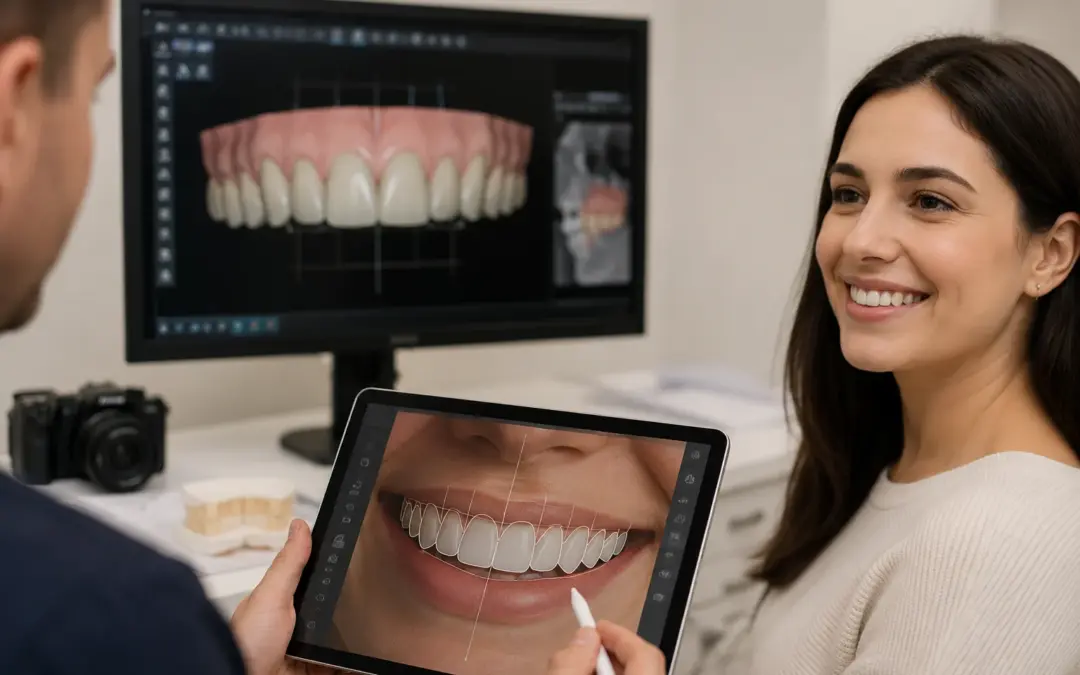
Digital smile design is a planning process, not a treatment on its own. It maps a patient’s new smile on screen before anything gets touched. Facial photos, scans, and design software come together to preview proportions, tooth shape, and alignment in one place. Veneers, crowns, orthodontics, full smile makeovers, the approach fits all of them. What shows up on screen becomes the actual blueprint the treatment follows.
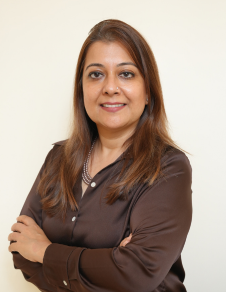
According to Dr. Sonia Butta, Prosthodontist at a leading Dental Clinic in Malad, Mumbai, “Dentistry is deeply personal, and smile design makes that easier to show, not just tell. Patients used to just trust us on faith. Now they see the plan first, lip line, tooth shape, facial proportions, before a single tooth is touched. That’s not a gimmick. It’s what makes the final result actually theirs.”
How Does Digital Smile Design Actually Work?
The process runs through a few defined stages, and each one builds on the last.
Photo and video documentation: Facial images and video capture how a patient actually smiles and speaks, not a stiff, posed bite.
Digital scanning: Intraoral scanners take over from old-style impressions. Faster, and a lot less messy for the patient.
Smile simulation: Design software overlays a proposed new smile straight onto the patient’s own face and photos.
Mock-up and trial: A physical or digital mock-up lets the patient test the look before anything becomes permanent.
Full details on the process, from start to finish, are covered on the smile design page.
What Are the Benefits of Digital Smile Design?
It’s not just a preview tool. It changes how treatment is planned.
Fewer surprises at the end: Patients approve the design upfront, so the final result matches what they actually signed off on.
Better coordination between disciplines: Veneers, crowns, and orthodontics get planned as one project instead of three separate ones.
Reduced chair time: Mock-ups catch design problems early. Before any tooth structure gets touched.
Clearer communication: Dentist and patient work off the same picture instead of a verbal description that means something different to each of them.
It’s a small thing, watching a patient’s face relax the moment they see the mock-up instead of just hearing about it. Once the design’s approved, material choice matters just as much. Our piece on veneer materials breaks down zirconia versus porcelain.
Why Choose Dr. Sonia Butta for Digital Smile Design?
Dr. Sonia Butta has focused on implantology and aesthetic prosthetic work since 1998, with training that runs straight through cosmetic precision. She holds a Master of Clinical Dentistry in Prosthodontics from King’s College London and is a Fellow of the Indian Society of Oral Implantologists. Her work moves between microsurgical endodontics and custom veneers, always aiming for the same thing: function and beauty in balance. Dr. Glenn Mascarenhas, founder of the clinic since 1982, backs every design case with four decades of restorative experience. Between them, a smile design case gets both aesthetic judgment and long-term structural planning.
Because a design only holds up if the proportions were right on screen first. Impladent’s digital workflow keeps scanning, design, and fabrication under one roof, so nothing gets lost moving between labs. Patients see and approve the design before any tooth is prepared or any veneer goes in.
Want to see your new smile before a single tooth is touched? That’s exactly what digital smile design gives you.
FAQs
Is digital smile design only for veneers?
No. It applies to crowns, orthodontics, implants, and full smile makeovers too.
How long does the digital smile design process take?
The design phase usually takes one to two appointments before treatment starts.
Can I request changes to the proposed design?
Yes, the mock-up stage exists specifically for adjustments before anything becomes permanent.
Does digital smile design cost extra?
It’s usually included in smile makeover planning. Ask during your consultation.
References
- Assessment of Patient Satisfaction and Treatment Outcomes in Digital Smile Design vs. Conventional Smile Design: A Randomized Controlled Trial – PMC: https://pmc.ncbi.nlm.nih.gov/articles/PMC11001014/
- The Recent Use, Patient Satisfaction, and Advancement in Digital Smile Designing: A Systematic Review – PMC: https://pmc.ncbi.nlm.nih.gov/articles/PMC11251929/
Disclaimer This content is for educational purposes only. Consult a qualified implantologist for an accurate evaluation and personalised treatment plan.