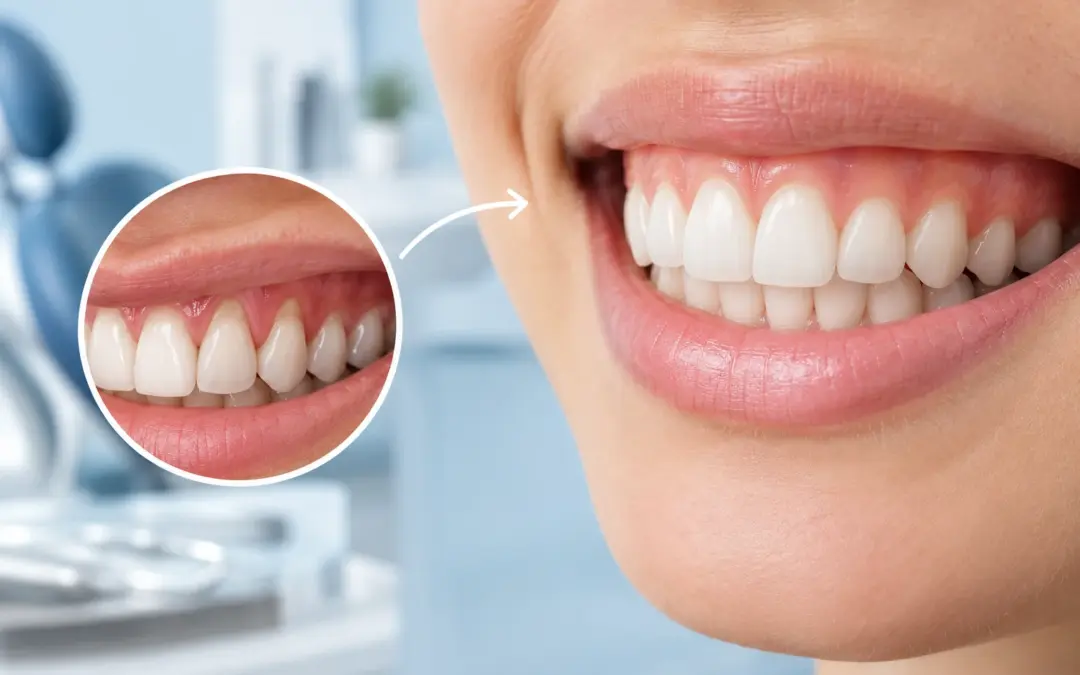
Gum tissue that has already pulled back doesn’t regrow on its own, surgery remains the only way to rebuild what’s actually been lost. Non-surgical care works on a different goal entirely. It’s about stopping the recession from getting worse, not reversing what’s already happened. For a lot of patients, that’s enough to protect the exposed root and manage sensitivity for years. Which path actually fits depends on how far the recession has already progressed.
According to Dr. Glenn Mascarenhas, a leading dentist at Impladent Dental Clinic in Malad, Mumbai, “People think receding gums means surgery, no way around it. Not always true. Catch it early, and cleaning plus better habits can stop it right there. Wait too long, and the root gets exposed enough that surgery becomes the only real option. Timing decides more than people realize.”
What Causes Gums to Recede in the First Place?
A handful of habits and conditions drive most recession cases.
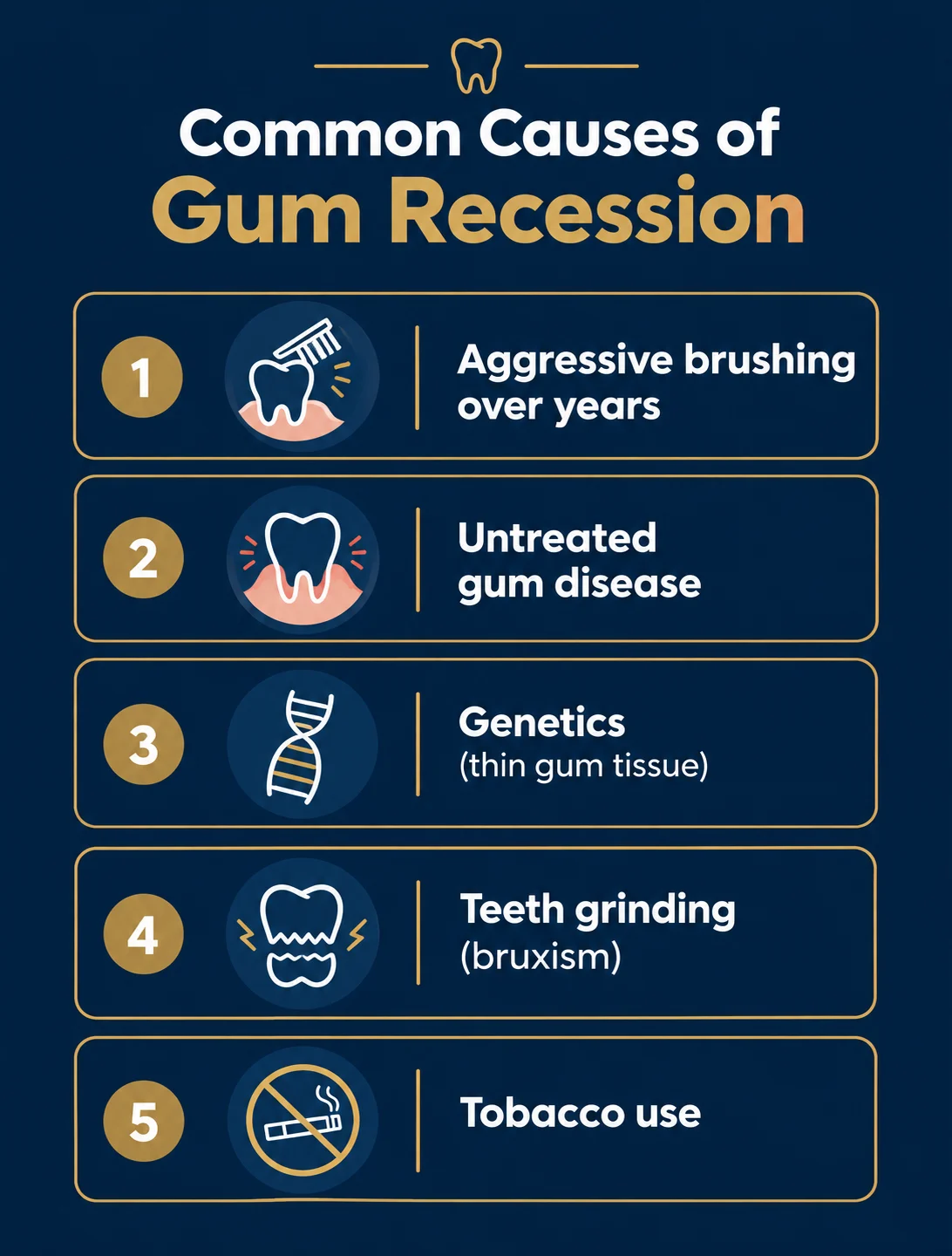
Years of brushing too hard wears gum tissue down so gradually most people don’t catch it until the damage is already there. Genetics matters more than most patients realize, some people are just born with thinner gum tissue, and it recedes faster under the exact same pressure that barely affects someone else. Grinding piles on constant force right at the gumline too, speeding recession up even in people who brush gently. None of this rules out treatment. It just changes what approach actually works for that particular case.
A dental exam identifies which of these is actually driving your case. Left unmanaged, an exposed root is also more prone to decay that can reach the nerve, sometimes needing root canal treatment later on.
Receding Gums Treatment Without Surgery: What Actually Works?
Non-surgical options exist, but they work best on mild to moderate recession.
- Scaling and root planing: Deep cleaning under the gumline clears bacteria out, the kind that keeps recession moving forward.
- Desensitizing treatments: Fluoride varnish or bonding agents ease root sensitivity, no cutting involved at all.
- Better brushing technique: Switch to a soft brush, fix the angle, and mechanical damage mostly stops adding to what’s already there.
- Night guard for grinding: Takes pressure off the gumline during the night, something patients rarely think to ask about.
Once recession has stabilized, some patients look at covering the exposed area cosmetically rather than just managing it. Our piece on veneer material options breaks down what that involves.
Why Choose Dr. Glenn Mascarenhas for Gum Recession Treatment?
Dr. Glenn Mascarenhas has treated gum recession and periodontal cases across Malad for over four decades now. He holds a Master of Clinical Dentistry in Prosthodontics from King’s College London, with distinction, and looks at each recession case on its own terms instead of jumping straight to surgery. Before treatment starts, patients get a clear answer on whether non-surgical care will actually hold.
Noticed your teeth looking longer than they used to? That’s often gum recession, worth checking now.
FAQs
Can receding gums grow back without treatment?
No. Once gum tissue recedes, it doesn’t grow back by itself.
How long does non-surgical treatment take to work?
Sensitivity usually improves within a few weeks for most patients.
Is gum graft surgery always needed for recession?
No, only when it’s advanced or non-surgical care didn’t help.
Does receding gums treatment without surgery stop future recession?
Progression slows down considerably, though regular dental care still matters.
References
- Non-Surgical Periodontal Therapy of Shallow Gingival Recession Defects: Evaluation of the Restorative Capacity of Marginal Gingiva After 12 Months — PubMed: https://pubmed.ncbi.nlm.nih.gov/15974850/
- Treatment of Gingival Recession: When and How? — PMC: https://www.ncbi.nlm.nih.gov/pmc/articles/PMC12382867/
Disclaimer: This content is for educational purposes only and does not replace professional dental advice or diagnosis.