
If you’ve been planning to replace missing teeth with dental implants, you may have heard something unexpected: “You need bone grafting first.”
This can feel confusing, or even worrying.
You might be wondering:
- Why isn’t an implant possible right away?
- Is something wrong with your jawbone?
- Is the procedure painful or risky?
The truth is, bone grafting for dental implants is a common and safe procedure that helps create a strong foundation for long-lasting results. Let’s break it down in the simplest way possible.
Timely consultation can help you understand your options and plan the right treatment for your smile.
Why Patients Need Bone Grafting Before Implants
Many patients seeking dental implants are surprised to learn that their jawbone may not be strong enough. Dental implants require a solid and healthy bone foundation, but bone loss can occur over time due to missing teeth or other dental issues.
Bone grafting helps rebuild and strengthen the jawbone, ensuring that the implant has the support it needs for long-term success.
Common Reasons for Bone Loss
Jawbone loss usually happens gradually and often goes unnoticed until you plan for dental implants. When a tooth is missing or gum health is compromised, the bone in that area no longer receives stimulation and begins to shrink over time.
Missing teeth for a long time
Gum disease (periodontitis)
Delayed dental treatment
What Is Bone Grafting?
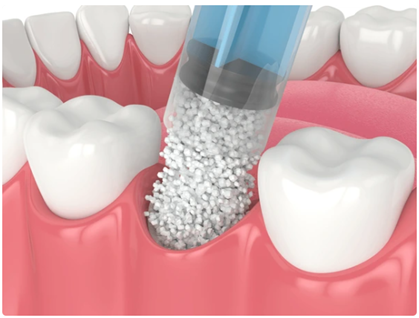
Bone grafting is a procedure that rebuilds or adds bone to your jaw so it can support dental implants securely. It is needed when the existing bone is too weak or thin.
A small amount of bone material is placed in the area, and over time, your body naturally integrates it to form strong, healthy bone, creating a stable base for implants.
When Is Bone Grafting Required?
“In many implant cases, especially when teeth have been missing for a long time, bone grafting becomes essential to rebuild the foundation for a stable and long-lasting implant Dr. Glenn Mascarenhas, BDS (Bom), MClinDent (London)
How Is Bone Grafting Diagnosed?
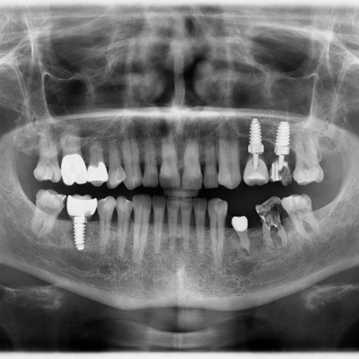
Digital X-rays
Provide a quick overview of your jawbone and existing dental condition
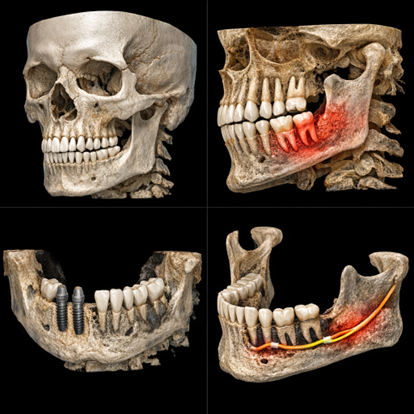
3D CBCT scans
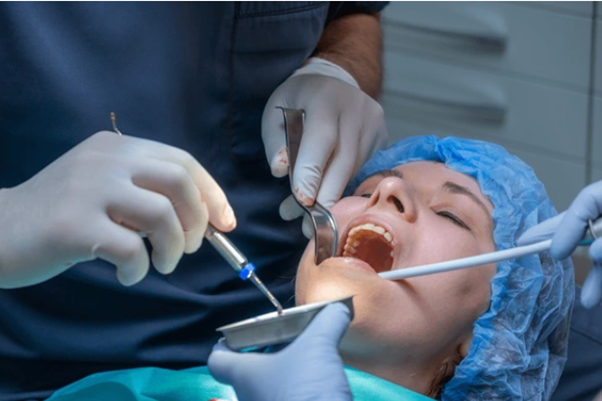
Clinical evaluation
This detailed approach ensures accurate planning, safer procedures, and predictable outcomes.
How Bone Grafting Is Done
Bone grafting is a carefully planned procedure designed to rebuild and strengthen your jawbone for successful dental implant placement. It involves placing bone material in areas where the bone is weak or missing, allowing your body to regenerate and create a solid foundation for implants naturally.
Step-by-Step Process
1. Consultation & Scan – Your dentist evaluates your jawbone using X-rays or 3D scans to determine the need for grafting and plan the procedure.
2. Bone Graft Placement – The graft material is carefully placed in the deficient area to support new bone growth.
3. Healing Phase (3–6 Months) – Over time, the graft integrates with your natural bone, making it strong enough for dental implant placement.
Bone Grafting Overview
| Factor | Details |
| Procedure Duration | 45–90 minutes |
| Healing Time | 3–6 months |
| Pain Level | Mild discomfort |
| Success Rate | 90–95% |
| Implant Placement | After healing |
Is Bone Grafting Painful?
One of the most common concerns patients have is whether bone grafting is painful. The good news is that with modern dental techniques and anesthesia, the procedure is generally comfortable and well-tolerated. Most patients find it much easier than they expected.
Most patients experience minimal discomfort:
Dr. Sonia Butta, BDS (Bom), MClinDent (London):
“With today’s advanced techniques, bone grafting is a very comfortable and predictable procedure. Most patients recover faster than they expect.”
Recovery Timeline
| Stage | What to Expect |
| Day 1–3 | Mild swelling |
| Week 1 | Healing begins |
| 1 Month | Bone stabilizing |
| 3–6 Months | Ready for implant |
Why Choose Impladent Dental Clinic, Malad?
Impladent Dental Clinic in Malad is known for its internationally trained implant specialists, advanced diagnostic technology, consistently high success rates, and a strong focus on patient-centered care.
Bone grafting for dental implants is a safe and effective way to rebuild your jaw and ensure long-term implant success.
With expert care at Impladent and guidance from
Dr. Glenn Mascarenhas and Dr. Sonia Butta,
You can move forward with confidence and achieve a healthy, lasting smile.