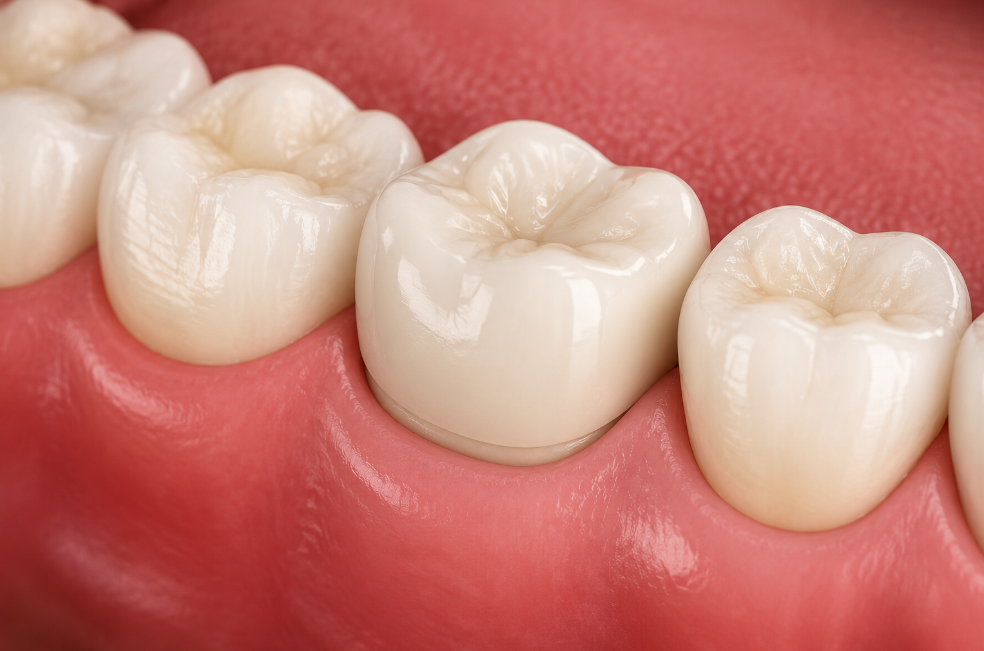
Dental crowns are among the most common solutions for protecting and restoring damaged molars. They not only restore chewing function but also prevent further tooth damage and decay. Molars, being the primary chewing teeth, undergo high pressure, which makes understanding crown lifespan important. Knowing when to replace a crown helps maintain your oral health and avoid unnecessary complications.
Doctors quote: “I often see patients struggling with sensitivity or pain while chewing due to cracked or weakened molars. Restoring these teeth with strong, durable crowns like Zirconia or metal not only relieves discomfort but also protects the tooth, giving you long-term function and peace of mind.”Says Dr. Glenn Mascarenhas, BDS(Bom), MClinDent(London),Dental Clinic in Malad, Mumbai | Impladent®
What Is a Molar Crown and Why Is It Needed?
A molar crown is a custom-made cap that fits over a tooth to restore its shape, strength, and appearance. Crowns are used when a molar is weakened by decay, cracks, or a large filling, or after a root canal treatment. They protect the tooth from further damage and restore normal chewing function.
- Covers and protects damaged or weak molars
- Restores chewing efficiency and tooth alignment
- Prevents further decay or fracture
- Materials include porcelain, zirconia, and metal or porcelain-fused-to-metal (PFM)
How Long Do Crowns Typically Last on Molars?
On average, molar crowns last 5–15 years, and with excellent care, some can last over 20 years. Lifespan depends on factors such as crown material, oral hygiene, and bite habits. Zirconia and metal crowns are generally the most durable, while porcelain offers a more natural appearance but may chip over time.
- Typical lifespan: 5–15 years, sometimes 20+
- Material choice affects durability
- Good oral hygiene extends crown life
- Bite habits like grinding can shorten lifespan
Wondering how long your crown will last?
Which Factors Affect the Lifespan of a Molar Crown?
Several factors influence how long a crown lasts. Being aware of these helps prevent premature failure and maintain oral health.
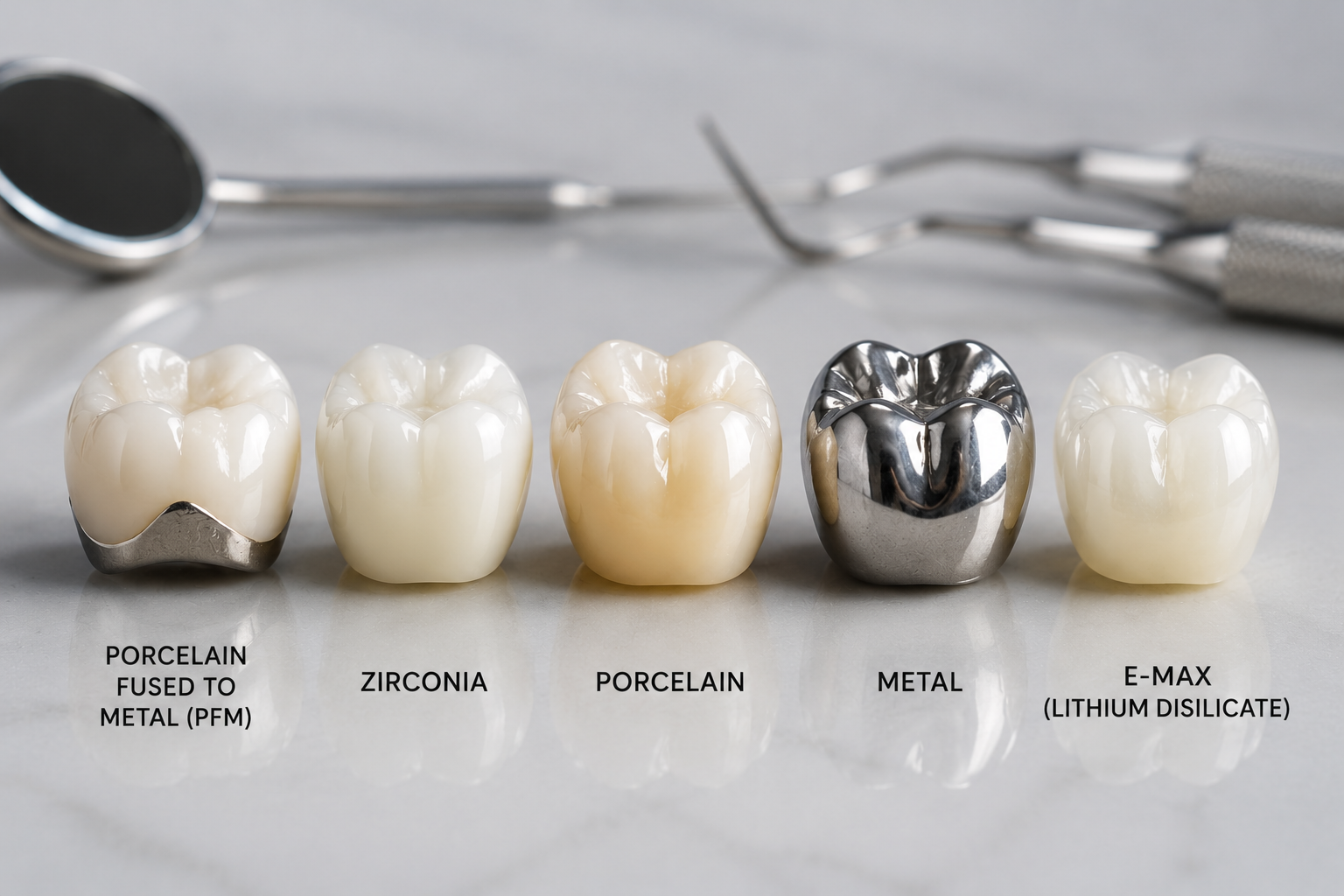
- Material of the crown: Zirconia and Metal crowns offer superior durability, while Porcelain may be prone to chipping. Zirconia or Metal crowns are generally preferred for long-term strength and reliability.
- Oral hygiene habits: Brush twice daily, floss carefully, clean crown margins
- Teeth grinding or clenching (Bruxism): Can loosen or damage crowns; night guards help
- Tooth decay or gum disease: Decay or gum issues weaken the supporting tooth
When Should You Consider Replacing a Molar Crown?
Crowns may need replacement when you notice signs of wear or damage. Acting early can prevent more serious dental problems. If the tooth underneath is too damaged to save, options like dental implants may be recommended instead of a new crown.
- Pain or sensitivity around the crowned tooth
- Looseness or movement of the crown
- Visible cracks or chips
- Discoloration or gum recession near the crown
How Can You Extend the Life of Your Molar Crown?
With proper care, you can significantly extend your crown’s lifespan. Daily habits and preventive measures play a key role.
- Brush at least twice a day and floss carefully
- Avoid chewing hard foods like ice, nuts, or hard candies
- Use a night guard if you grind your teeth
- Visit your dentist regularly for checkups
- Avoid habits like chewing pens or nails
Who Should You Consult for Crown Issues?
If you notice any damage or discomfort, consult a dentist or prosthodontist promptly. Early evaluation ensures timely repair or replacement and protects the underlying tooth. The specialists at Impladent Dental Clinic assess whether your crown can be saved or needs a fresh start.
- Assess whether the crown can be repaired or needs replacement
- Prevents further damage to the tooth
- Regular checkups every 6–12 months are essential
Not sure if your crown needs attention?
Why Do Some Crowns Fail Earlier Than Others?
Some crowns fail prematurely due to preventable factors. Understanding these risks helps maintain your crown for as long as possible. When multiple crowns or teeth fail together, a full mouth rehabilitation may be a better long-term solution than replacing crowns one by one.
- Poor oral hygiene
- Excessive bite force or teeth grinding
- Tooth decay beneath the crown
- Choosing a crown material unsuitable for molars
Molar crowns are an effective solution for restoring and protecting damaged teeth. Their longevity depends on material, oral hygiene, and bite habits. Paying attention to warning signs, maintaining good habits, and visiting your dentist regularly helps ensure your crowns last as long as possible, keeping your smile healthy and functional. For expert crown evaluation and replacement, visit https://impladent.in/ or explore their cosmetic dentistry services for a complete smile upgrade.
FAQs
How long do molar crowns last?
Typically 5–15 years, but proper care can extend their lifespan.
Can a crown fall off without pain?
Yes, it can loosen or detach without discomfort. Routine checkups are important.
Can a chipped crown be repaired?
Minor chips may be repaired, but significant damage usually requires replacement.
Which crown material is most durable for molars?
Zirconia and metal crowns are the strongest and longest-lasting.
Does grinding teeth shorten crown lifespan?
Yes, teeth grinding or clenching can significantly reduce crown durability.