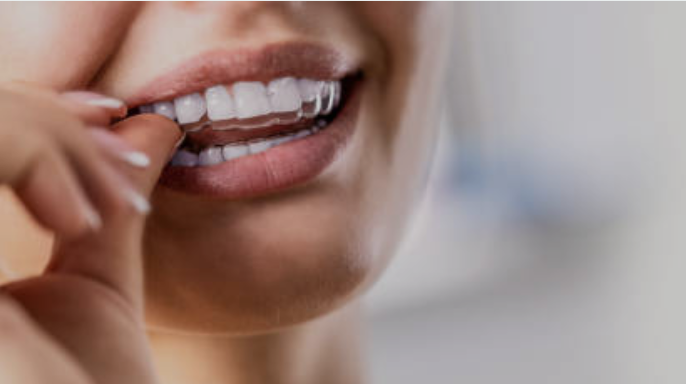
When it comes to correcting bite issues, many people are curious about the best treatment option available. Traditional braces have been around for decades, but Invisalign offers a newer, more discreet alternative. But the question remains: can Invisalign fix your bite as effectively as braces? Let’s explore how both treatments work and which option may be best for your needs.
“Invisalign is a great option for many patients with mild to moderate bite issues, providing a discreet and comfortable solution. However, for more severe cases, traditional braces may still be the best choice,” says Dr. Glenn Mascarenhas, founder of Impladent Dental Clinic.
What Is Invisalign and How Does It Work?
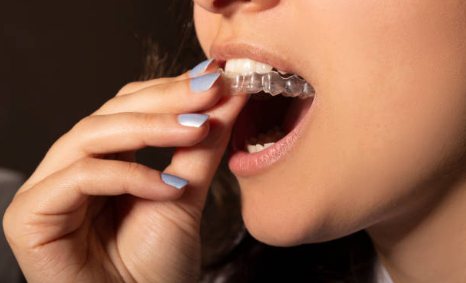
Invisalign is a modern orthodontic treatment that uses clear aligners to straighten your teeth and correct bite issues. These aligners are custom-made for your teeth and gradually shift them into place over time. Unlike traditional braces, which use metal wires and brackets, Invisalign aligners are removable and nearly invisible, making them a popular choice for both teens and adults.
Key Features of Invisalign:
- Clear aligners that are discreet
- Removable for eating, brushing, and flossing
- Customized treatment plan designed by your orthodontist
How Do Traditional Braces Fix Bite Issues?
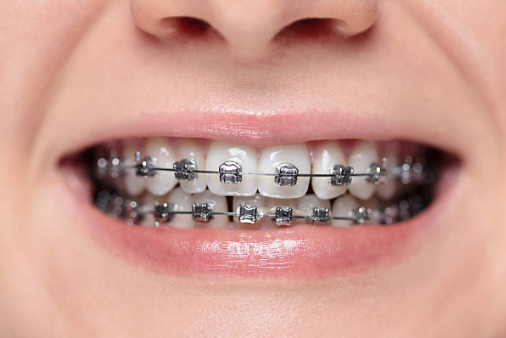
Traditional braces use metal brackets attached to your teeth, connected by wires that gradually move your teeth into proper alignment. Braces are highly effective for correcting complex bite issues, such as severe overbites or underbites, and they remain fixed throughout the treatment. This makes them a reliable, long-standing solution for many orthodontic problems.
Key Features of Traditional Braces:
- Metal brackets and wires are fixed on teeth
- Effective for severe bite problems
- Requires regular visits to the orthodontist for adjustments
Invisalign vs Braces for Bite Correction
Let’s compare Invisalign and traditional braces for bite correction:
| Aspect | Invisalign | Braces |
| 1. Treatment Approach | Uses clear aligners that are changed every few weeks | Uses a fixed system with metal brackets and wires |
| 2. Bite Issues Treated | Effective for mild to moderate cases (overbites, underbites, crossbites) | Recommended for severe bite issues |
| 3. Treatment Duration | Similar or slightly longer time than braces (depends on bite severity) | Typically takes 12-24 months, depending on the case |
| 4. Comfort and Appearance | More comfortable, discreet, and no metal parts | Can cause discomfort due to metal components and is more noticeable |
| 5. Cost | Tends to be more expensive, varies with complexity | Generally more affordable, but it depends on the case |
Types of Bite Problems Invisalign Can Fix
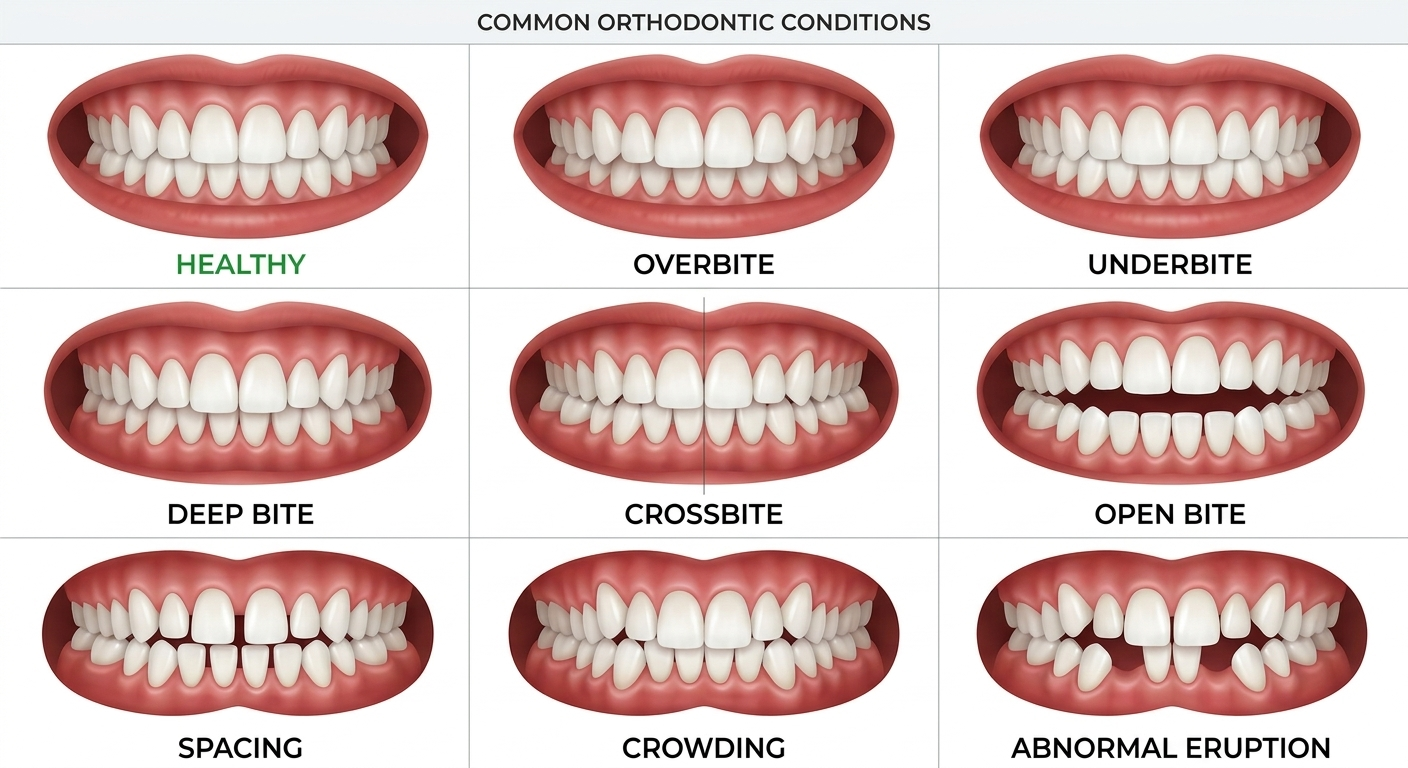
Invisalign can address a variety of bite issues, including:
- Overbite: When the upper teeth significantly overlap the lower teeth
- Underbite: When the lower teeth protrude past the upper teeth
- Crossbite: When some of the upper teeth bite inside the lower teeth
- Open bite: When the teeth don’t meet properly when the mouth is closed
Invisalign is a great option for correcting these issues in mild to moderate cases.
Cost Comparison: Invisalign vs Braces
In India, the cost of Invisalign treatment typically ranges from around ₹1,25,000 to ₹3,50,000, depending on how complex your case is, the number of aligners needed, and the clinic you choose.
For traditional braces, prices vary by type. Basic metal braces usually cost between ₹25,000 and ₹50,000, while ceramic braces can range from ₹40,000 to ₹70,000.
Keep in mind that these ranges are approximate and can vary based on the severity of your bite issue, the duration of treatment, and the expertise of your orthodontist. Always consult your dental specialist for an exact quote before starting treatment.
Which Option Is Right for You?
When choosing between Invisalign and traditional braces, consider the severity of your bite issue, your budget, and your lifestyle preferences. If you have a mild to moderate bite issue and want a more discreet treatment, Invisalign may be the right option. However, if you have a more complex bite issue, traditional braces might be the best choice for you.
FAQs
1. Can Invisalign fix overbite and underbite?
Yes, Invisalign can correct overbites and underbites in most cases, particularly mild to moderate instances.
2. How long does Invisalign take to fix bite issues?
The duration of Invisalign treatment depends on the severity of your bite issue, but typically ranges from 12 to 18 months.
3. Are braces more effective than Invisalign for severe bite problems?
Yes, braces are generally more effective for severe bite issues due to their fixed nature, allowing for more precise adjustments.
4. Is Invisalign painful compared to braces?
Invisalign is generally considered more comfortable than braces because there are no metal parts. However, both treatments may cause some discomfort as your teeth shift.
5. Can adults use Invisalign to correct bite issues?
Yes, Invisalign is suitable for adults as well as teenagers, especially for mild to moderate bite problems.
Sources:
Disclaimer: The information shared in this content is for educational purposes only and not for promotional use.