
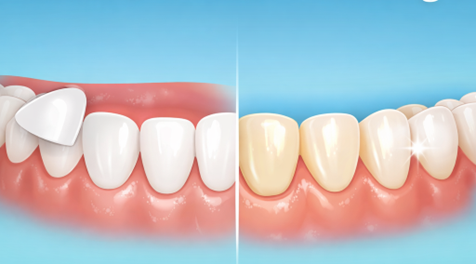
A bright, confident smile is something everyone desires, but when it comes to improving your teeth, the choice often comes down to veneers vs teeth whitening. Both are popular cosmetic dentistry treatments, yet they serve very different purposes.
While teeth whitening focuses on removing stains and restoring the natural color of your teeth, dental veneers offer a complete transformation by covering imperfections like chips, gaps, and discoloration.
So, which one is better for you? The answer depends on your dental concerns, budget, and long-term expectations. Let’s break it down clearly so you can make the right decision.
What Are Dental Veneers?
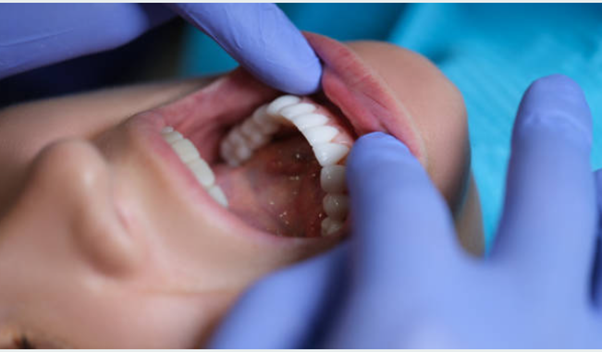
Dental veneers are thin, custom-made shells placed on the front surface of your teeth to improve their appearance. These are commonly made from porcelain veneers or composite materials and are designed to mimic natural teeth.
They are widely used in cosmetic dentistry veneers procedures to correct multiple concerns, such as:
Unlike whitening, veneers provide a permanent cosmetic solution and are often part of a complete smile makeover.
However, since a small amount of enamel is removed, the procedure is irreversible.
What Is Teeth Whitening?
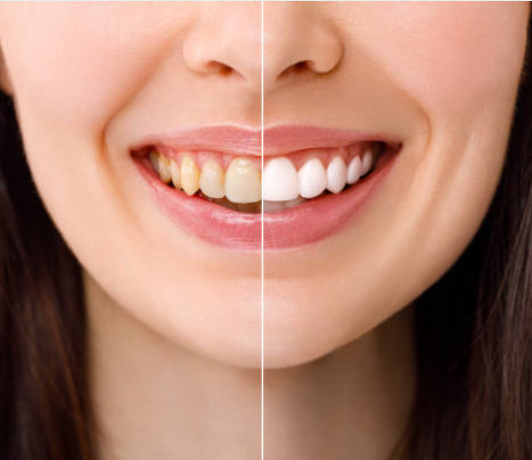
Teeth whitening is a non-invasive procedure designed to lighten the natural color of your teeth by removing stains caused by food, drinks, smoking, or aging.
Professional treatments like laser teeth whitening or bleaching provide faster and more effective results compared to over-the-counter products.
This method works best for:
It’s important to note that whitening cannot fix structural issues like cracks or gaps.
The results are noticeable but temporary, usually lasting a few months to a couple of years, depending on lifestyle habits.
If your goal is a quick brightness boost, whitening is often the simplest way forward.
Veneers vs Teeth Whitening
1. Purpose
● Whitening removes stains
● Veneers correct shape, size, and color
2. Longevity
3. Cost
4. Results
5. Procedure
If you are dealing with severe discoloration or multiple imperfections, veneers offer better results. But for minor stains, whitening is usually enough.
“Many patients come in asking whether they should choose whitening or veneers. The reality is, whitening works beautifully for surface stains, but when discoloration is deeper or combined with shape issues, veneers provide a more predictable and long-lasting result,” Says Dr. Glenn Mascarenhas, BDS (Bom), MClinDent (London)’
Cost Comparison: Veneers vs Whitening
Cost plays a major role when choosing between veneers vs whitening.
- Teeth whitening cost of teeth whitening is generally affordable and depends on the method used
- Veneers cost varies based on material, number of teeth, and customization
While whitening is budget-friendly, it may require repeated sessions over time. Veneers, though expensive upfront, offer long-lasting results, making them a worthwhile investment for many.
If you’re considering affordability vs durability, it’s important to weigh long-term value instead of just initial pricing.
In simple terms, whitening saves money now, and veneers save effort later.
Which Option Is Right for You?
Choosing between veneers or whitening for stained teeth depends on your specific needs.
Go for teeth whitening if:
Choose veneers if:
Many patients also explore combinations, such as dental bonding, veneers, and whitening, to find the best solution.
“Many patients think whitening and veneers deliver the same results, but they actually serve very different purposes. Whitening enhances what you already have, while veneers allow us to completely redesign the smile, especially in cases of uneven teeth or stubborn discoloration,” Dr.Sonia Butta, BDS (Bom), MClinDent (London)